What Defines a Luxury Website
Luxury websites represent the digital manifestation of premium brand identity, characterized by their ability to evoke exclusivity and sophistication through thoughtful design choices. These digital experiences prioritize quality over quantity, focusing on creating meaningful interactions rather than overwhelming visitors with content. The fundamental philosophy behind luxury web design centers on the belief that every element--whether visible or invisible--contributes to the overall perception of the brand. Unlike commercial websites that prioritize conversion optimization above all else, luxury websites balance business objectives with an unwavering commitment to aesthetic excellence and brand storytelling.
The philosophy distinguishing luxury web design from commercial approaches lies in its fundamental priorities and value propositions. Where standard websites measure success primarily through conversion metrics and immediate ROI, luxury websites invest in experiences that build brand equity over time. This approach requires confidence in brand positioning and the patience to nurture relationships through exceptional experiences rather than aggressive sales tactics. The willingness to prioritize emotional connection and brand perception over immediate transactions reflects a long-term perspective that luxury consumers recognize and appreciate.
The definition of luxury in web design extends beyond expensive aesthetics to encompass the entire user journey. A luxury website must deliver exceptional performance, seamless navigation, and intuitive interactions while maintaining visual coherence across all touchpoints. The emphasis on minimalism does not indicate simplicity but rather represents the confidence to edit ruthlessly, leaving only elements that genuinely enhance the brand narrative. This approach requires substantial creative investment, as every design decision must justify its presence through its contribution to the overall luxury experience.
Luxury websites serve diverse industries including high fashion, fine jewelry, luxury automobiles, premium hospitality, real estate, and professional services. Each industry brings unique requirements while sharing common principles of excellence. The automotive sector, exemplified by brands like Porsche, emphasizes performance and innovation through cinematic visual presentations and interactive configurators. Fashion houses like Gucci and Jimmy Choo prioritize brand heritage and product storytelling through editorial-style layouts and high-resolution imagery. Hospitality brands such as The Ritz-Carlton translate their renowned service excellence into digital experiences that anticipate guest needs and inspire travel aspirations.
For brands looking to establish or enhance their digital presence, our web development services provide the technical foundation and creative expertise necessary to create exceptional luxury digital experiences.
The Impact of Digital Excellence
85%
of luxury consumers research products online before purchase
3
seconds is the average attention span on luxury sites
92%
of luxury brands cite web design as critical to brand perception
Visual Design Excellence
Typography
Typography serves as a foundational element of luxury website design, communicating brand personality through carefully selected typefaces. Serif fonts often dominate luxury designs, evoking tradition, heritage, and sophistication, while modern sans-serif alternatives can convey contemporary elegance and innovation. The key lies in selecting typefaces that align with brand identity and maintaining consistency across all applications. Typography in luxury websites typically features generous leading, carefully considered kerning, and strategic use of scale to create visual hierarchy without overwhelming the reader.
Typeface selection in luxury web design requires careful consideration of legibility, personality, and technical performance. Premium foundries offer licensed typefaces that communicate exclusivity, avoiding the ubiquity of free alternatives that appear across countless websites. The typographic hierarchy establishes clear information architecture through deliberate sizing contrasts--dramatic headlines against refined body copy create visual rhythm that guides readers through content. Variable fonts enable sophisticated weight and width adjustments without sacrificing performance, allowing precise control over how typography renders across devices and screen sizes. For brands exploring visual design fundamentals, our guide on visual design language building blocks provides comprehensive insights into creating cohesive design systems.
Color Schemes
Color schemes in luxury websites tend toward restraint and intentionality rather than visual abundance. Neutral palettes featuring blacks, whites, creams, and metallics create sophisticated backdrops that allow product imagery and brand storytelling to take center stage. Strategic accent colors--often derived from brand heritage or current collections--provide moments of visual interest without disrupting the overall sense of elegance. Color application in luxury design frequently employs gradients, overlays, and subtle tonal variations to create depth and dimension.
The psychology of color in luxury web design extends beyond aesthetics to communicate brand values and emotional positioning. Neutral foundations communicate timelessness and confidence, while carefully deployed accent colors create focal points that direct attention strategically. Color temperature influences perception--warmer tones suggest heritage and craftsmanship, while cooler hues convey innovation and precision. The strategic use of color requires understanding both brand identity and audience expectations, creating visual environments that resonate with discerning visitors while maintaining the restraint that defines luxury aesthetics.
Imagery and Photography
Imagery represents perhaps the most critical visual element in luxury website design, with high-resolution photography and videography serving as primary vehicles for brand communication. Luxury brands invest substantially in professional photography that captures products in aspirational contexts, emphasizing craftsmanship, materials, and attention to detail. The presentation of imagery extends beyond mere display to encompass thoughtful curation, elegant spacing, and sophisticated framing. Motion elements, including subtle animations and cinematic video backgrounds, add dynamism without compromising the refined atmosphere.
Photography standards for luxury websites demand exceptional quality at every resolution. Images must maintain impact across device sizes, requiring careful attention to composition and technical execution. The integration of visual content requires strategic approaches to loading performance, ensuring that heavy assets enhance rather than impede the user experience. Motion integration must feel purposeful rather than decorative, with animations that support the brand narrative without creating distraction. Understanding design principles like compositional flow and rhythm helps create visually compelling layouts that guide the eye naturally through luxury content.
Whitespace and Layout
Whitespace and layout demonstrate the confidence of luxury brands in their design approach, embracing emptiness as a design element rather than a space to fill. Generous margins and padding create breathing room around content, allowing each element to command appropriate attention. The strategic use of negative space directs focus, creates visual rhythm, and communicates a sense of openness and sophistication. Layout compositions in luxury websites often break from conventional grid structures, employing asymmetrical arrangements, overlapping elements, and unexpected positioning to create visual interest while maintaining coherence.
Compositional principles in luxury web design prioritize visual breathing room over information density. Negative space functions as an active design element, creating visual hierarchy through strategic emptiness rather than competing content. Asymmetrical layouts create dynamic tension that engages visitors while maintaining the confidence that defines luxury positioning. The relationship between content areas and negative space requires careful calibration, ensuring that elements feel connected while retaining individual prominence. This approach demands exceptional skill to execute successfully, balancing creativity with usability while preserving the refined atmosphere that distinguishes luxury digital experiences.
User Experience Considerations
Navigation Design
Navigation design in luxury websites must balance intuitive functionality with aesthetic refinement, ensuring visitors can access desired content without disrupting the immersive experience. Menu systems often employ subtle presentations--perhaps hidden behind minimal icons or revealed through elegant interactions--that maintain visual purity until needed. The information architecture typically prioritizes clarity over cleverness, with logical categorization and descriptive labeling that respects visitors' time and patience. Progressive disclosure techniques help manage complexity while preserving the uncluttered aesthetic that characterizes luxury digital experiences.
Information architecture in luxury web design requires particular attention to how content hierarchy communicates brand values. Navigation patterns must feel inevitable and natural, as though visitors intuitively understand how to access information. The balance between comprehensive content access and visual simplicity demands sophisticated design solutions that accommodate diverse user needs while maintaining refined aesthetics. Global navigation elements must remain accessible while respecting the overall design vision, often employing minimal presentations that expand gracefully when needed.
Personalization
Personalization capabilities enable luxury websites to create individualized experiences that resonate with discerning customers. Advanced implementations might remember visitor preferences, recommend products based on browsing history, and adapt content presentation based on demonstrated interests. However, luxury personalization must feel natural and respectful rather than intrusive or creepy. The balance between customization and privacy becomes particularly sensitive for luxury brands whose customers value discretion.
Privacy considerations in luxury personalization require careful navigation of customer expectations and data protection requirements. Subtle personalization--perhaps remembering language preferences or displaying recently viewed items--can enhance the experience without compromising the sense of cultivated anonymity that some luxury consumers prefer. The most effective approaches feel like attentive service rather than surveillance, creating recognition without intrusion. This requires understanding customer psychology and designing interactions that respect the delicate balance between personalization and privacy.
Performance and Technical Excellence
Performance optimization represents a critical yet often overlooked aspect of luxury website design. Despite featuring rich media and sophisticated interactions, luxury websites must deliver exceptional speed and responsiveness. Slow loading times create frustration and undermine perceptions of quality and professionalism. Technical optimization encompasses image compression, code minimization, efficient caching strategies, and strategic loading priorities.
Loading strategies for luxury websites balance visual richness with technical efficiency, requiring creative solutions that preserve impact while minimizing overhead. Edge caching, progressive image loading, and strategic JavaScript deferral represent common techniques for maintaining performance without sacrificing visual ambition. The challenge intensifies as websites must balance engagement-driving features with the technical requirements that ensure consistent, rapid delivery across all conditions. Our custom web development services ensure technical excellence supports your luxury positioning throughout the user experience.
Essential components that distinguish premium digital experiences
Typography Excellence
Carefully selected typefaces that communicate brand personality with sophisticated hierarchy and elegant scaling.
Restrained Color Palette
Neutral foundations with strategic accent colors that create visual interest without disrupting elegance.
Premium Imagery
High-resolution photography and videography that showcases products in aspirational, curated contexts.
Generous Whitespace
Confident use of negative space that allows each element to command attention and create visual breathing room.
Seamless Navigation
Intuitive yet refined menu systems that maintain visual purity while ensuring effortless content access.
Performance Excellence
Lightning-fast loading despite rich media, demonstrating technical sophistication alongside visual ambition.
Industries Excelling with Luxury Websites
Fashion and Luxury Goods
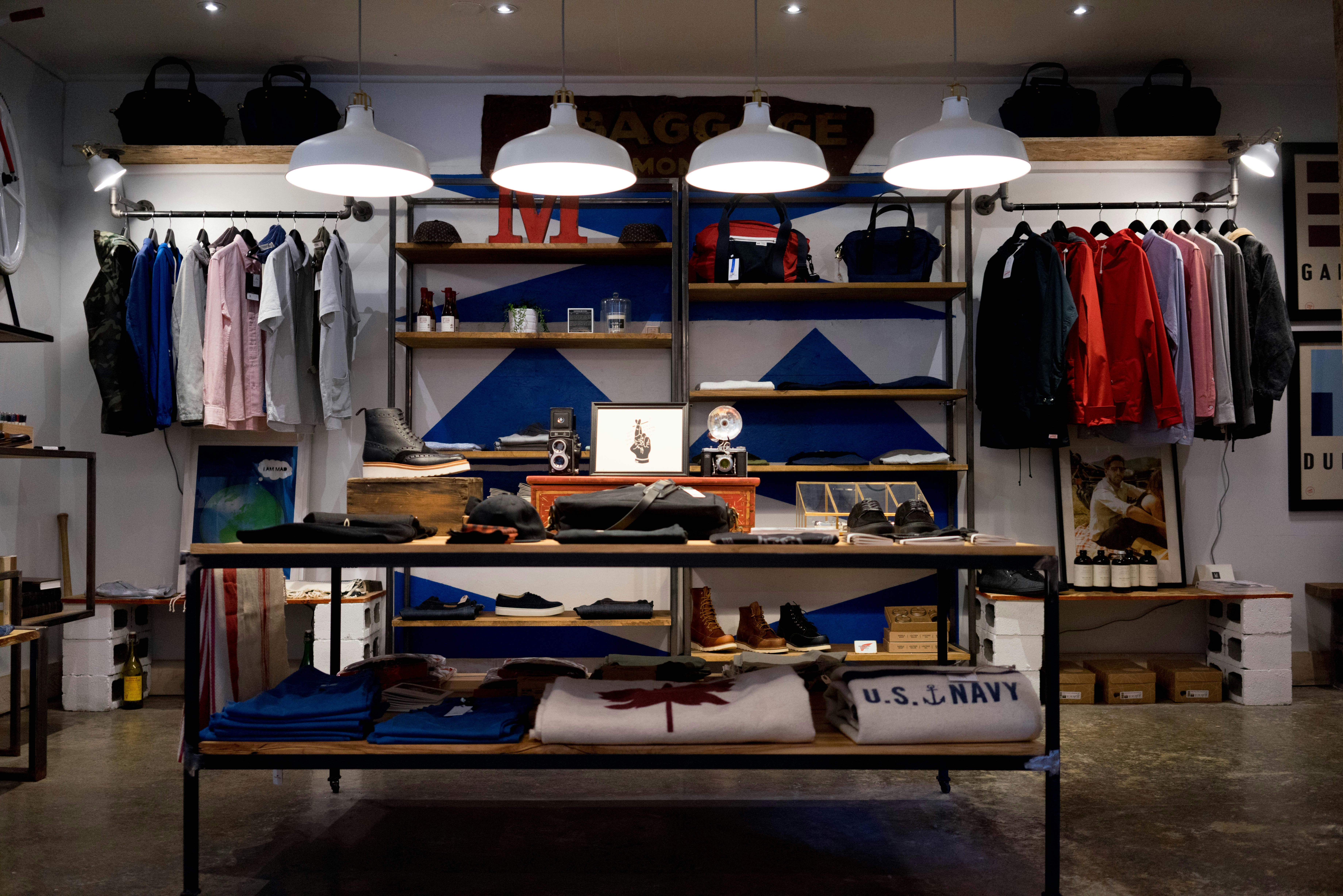
The fashion and luxury goods sector pioneered luxury web design, establishing standards that other industries now emulate. Brands like Gucci, Jimmy Choo, and Tiffany & Co. have created digital flagships that translate their physical brand experience into online environments. These websites emphasize product photography, brand storytelling, and seamless shopping experiences that honor the brand's positioning while meeting modern e-commerce expectations. Editorial content integration allows brands to communicate beyond products, sharing their heritage, craftsmanship, and cultural relevance through sophisticated content experiences.
Product presentation approaches in fashion luxury websites balance commerce with brand narrative. The integration of editorial content, lookbooks, and seasonal campaigns alongside product listings creates experiences that feel like digital magazines rather than catalogs. This approach requires careful content strategy that maintains brand voice across formats while ensuring commercial functionality remains accessible. The result is digital experiences that build emotional connections while facilitating the practical aspects of luxury e-commerce.
Automotive Excellence
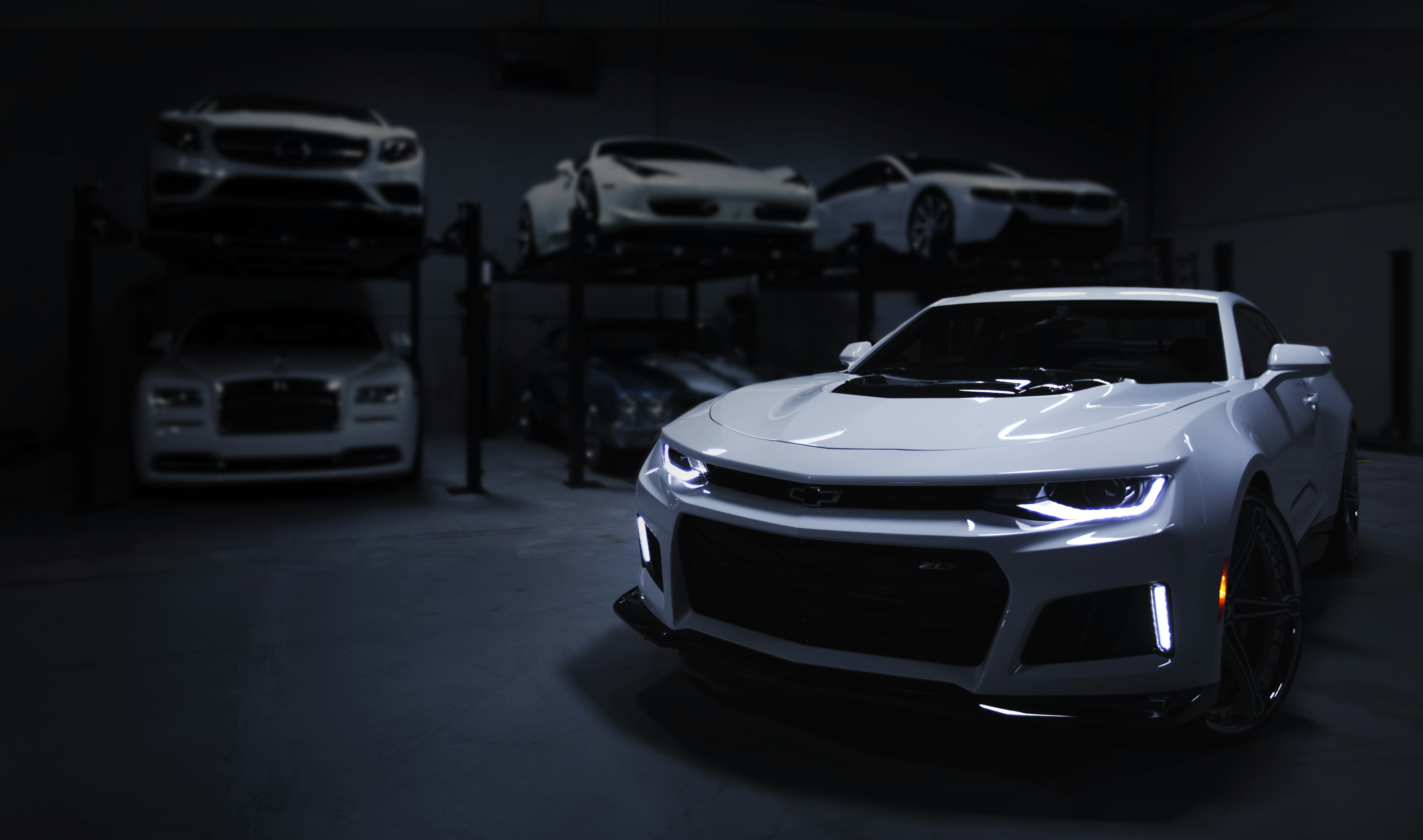
Automotive luxury brands leverage websites to showcase engineering excellence through cinematic visual presentations. Porsche, Rolls-Royce, and Bentley create immersive experiences that evoke the emotional connection between driver and machine. Configurator tools enable prospective customers to personalize their vehicles, creating engagement that extends beyond passive viewing. These experiences must balance technical accuracy with emotional appeal, providing detailed specifications while inspiring aspirational connections.
Configurator experiences in automotive luxury websites represent sophisticated applications of interactive technology. The ability to specify colors, materials, and features while visualizing results in real-time creates engagement that deepens brand connection. However, these tools must deliver seamless performance regardless of device capability, ensuring that the experience remains refined even on mobile devices. The integration of video content showcasing vehicles in stunning environments has become standard practice, requiring careful optimization to maintain performance while delivering visual impact.
Hospitality and Real Estate
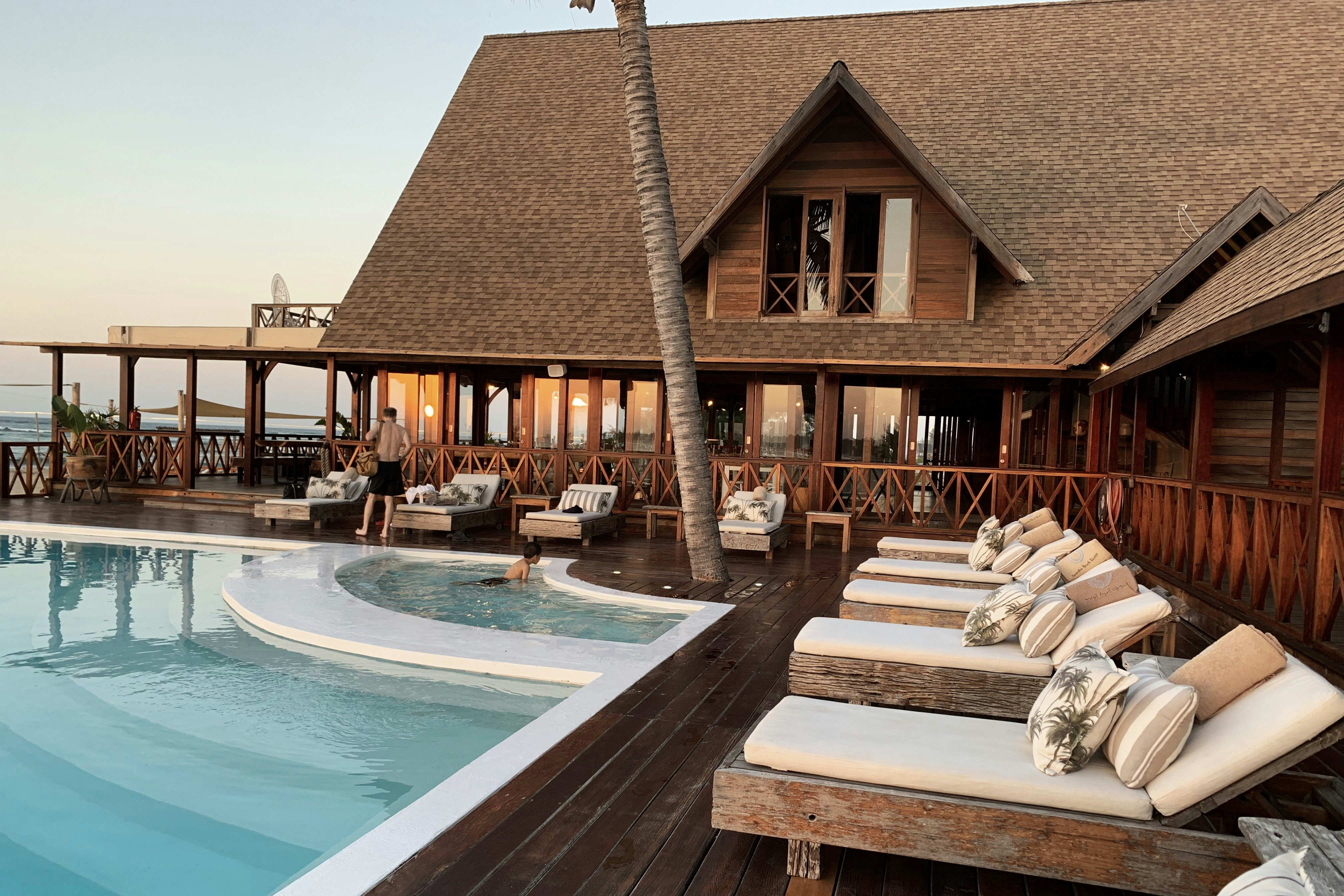
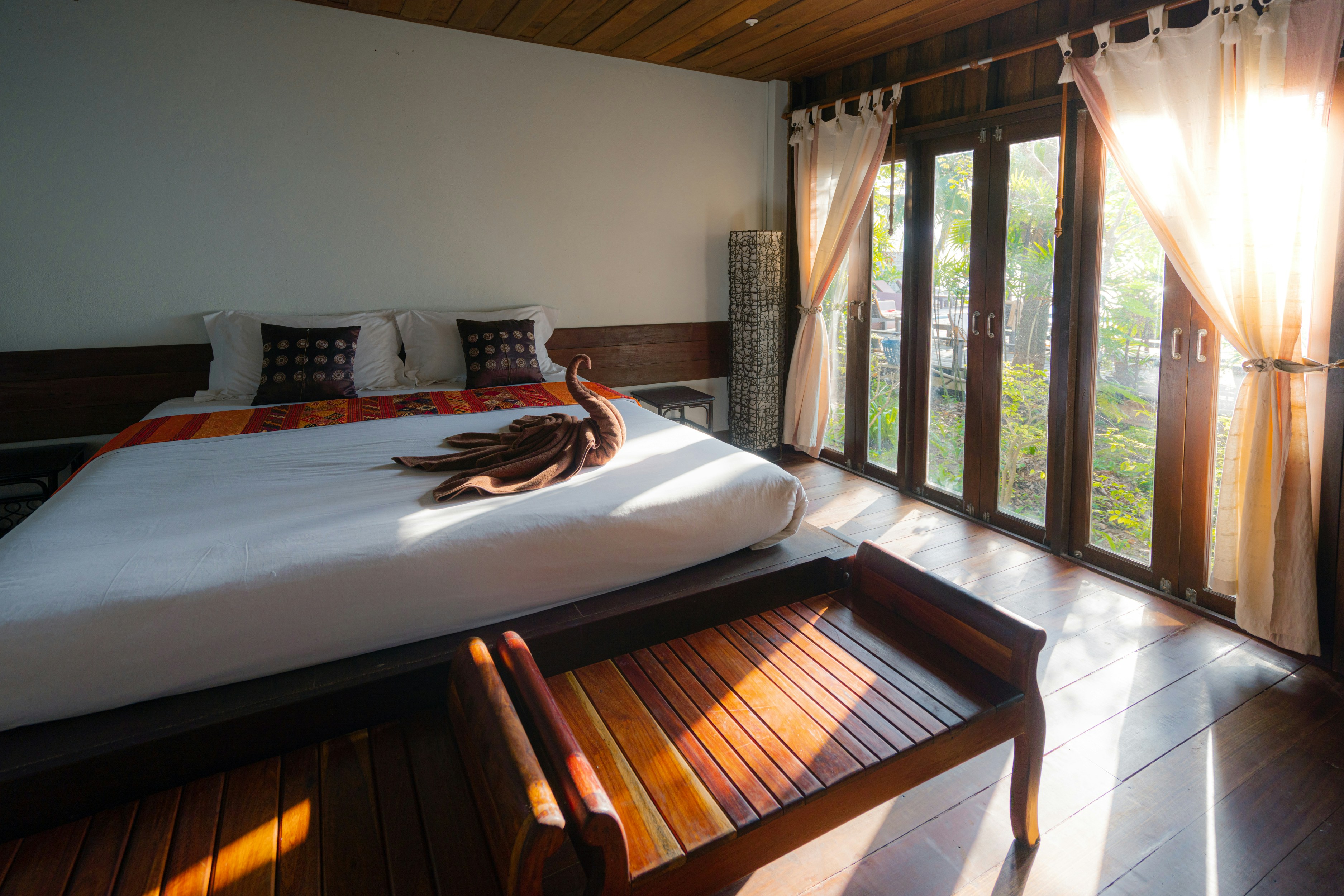
Hospitality and real estate sectors employ luxury websites to translate physical experiences into digital anticipation. Premium hotels and luxury real estate developers create visual narratives that showcase properties through stunning photography, virtual tours, and compelling storytelling. The website often serves as the first step in a service relationship, setting expectations that in-person experiences must meet or exceed. Booking interfaces must reflect the luxury positioning while providing efficient functionality for practical transactions.
Virtual tour integration in hospitality and real estate websites has evolved from novelty to expectation for luxury properties. The ability to explore spaces remotely creates anticipation and emotional connection that static photography cannot achieve. However, virtual tour implementation must maintain the refined atmosphere of luxury digital experiences, avoiding utilitarian approaches that prioritize functionality over aesthetics. The integration of testimonials, press coverage, and award recognition helps establish credibility while the visual presentation inspires desire. The booking experience represents the practical culmination of the luxury digital journey, requiring interfaces that maintain brand standards while facilitating transactions efficiently.